


Breast Cancer Symptoms and Signs
Early detection is key when it comes to breast cancer. Checking your breasts regularly can help you spot any unusual changes and give you the best chance for successful treatment. While most breast changes are not cancer, it’s important to know what to look for and see your doctor if something seems off. This guide will help you understand common signs of breast cancer, how to check your breasts at home, and what to expect when you visit your doctor.
Common breast cancer signs and symptoms include:
- A lump or swelling in the breast, upper chest or armpit – you might feel the lump but not see it
- A change to the skin, such as puckering or dimpling
- A change in the color of the breast – the breast may look red or inflamed
- A change to the nipple, for example it has become pulled in (inverted)
- Rash or crusting around the nipple
- Any unusual liquid (discharge) from either nipple
- Changes in size or shape of the breast
On its own, pain in your breasts is not usually a sign of breast cancer. But look out for pain that’s there all or most of the time.
Noticing an unusual change doesn’t necessarily mean you have breast cancer, and most breast changes are not because of cancer. But it’s important to get checked by your doctor.
Men can also develop breast cancer but it is very rare.
How to check your breasts?
Checking your breasts only takes a few minutes. There’s no special technique and you don’t need training to check your breasts.
Check the whole breast area, including your upper chest and armpits.
Do this regularly to check for changes.
It’s as simple as TLC: Touch Look Check
- Touch your breasts: can you feel anything unusual?
- Look for changes: does anything look different?
- Check any changes with your doctor
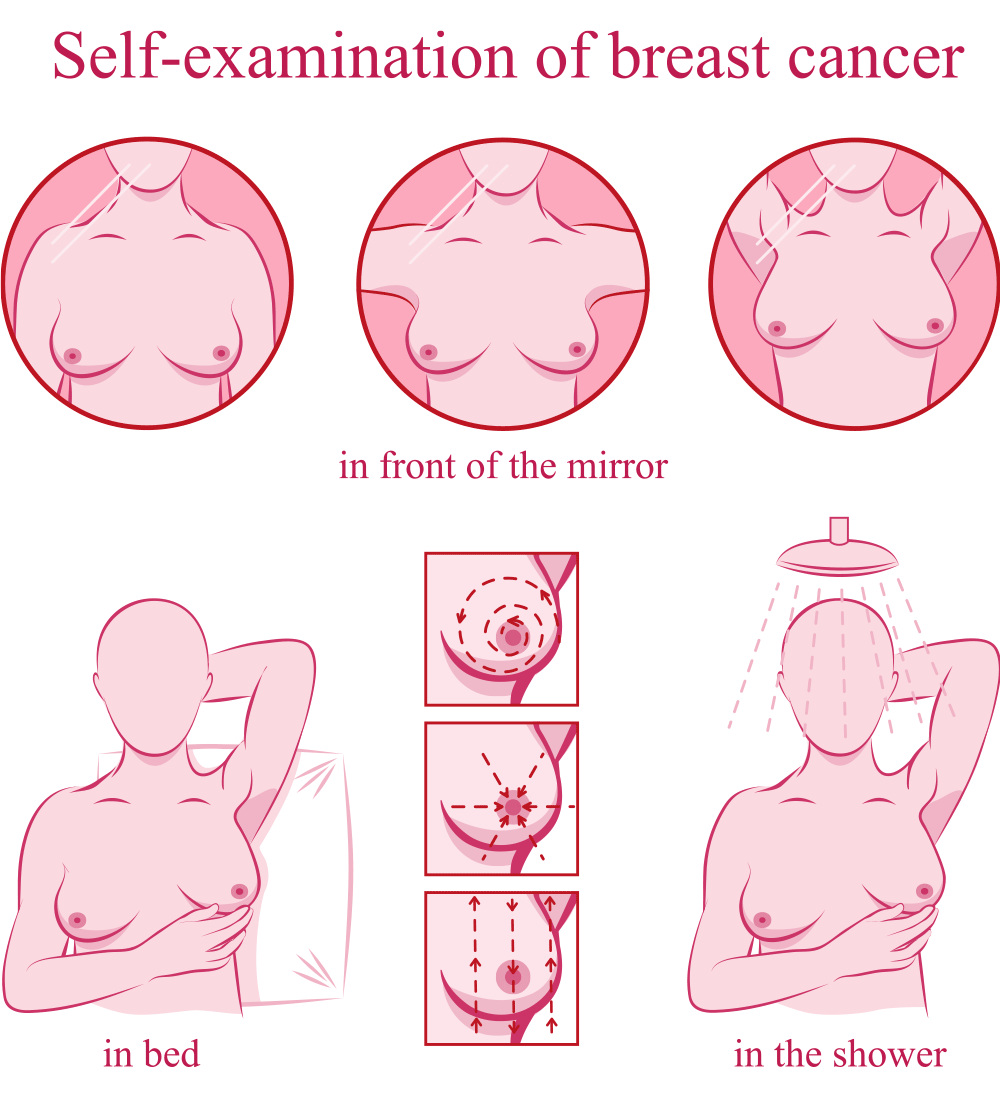
Have you felt or seen anything unusual? If so, make sure you get checked out by your doctor as soon as possible.
If your doctor thinks you need any further testing, they will refer you to a breast clinic to see a specialist. Find out more about being referred to a breast clinic.
What will happen when I see my doctor?
See your doctor as soon as possible if you notice any unusual changes in your breast.
Your doctor will examine your breasts.
After examining your breasts, your doctor may:
- feel that there’s no need for further investigation
- ask to see you again after a short time
- refer you to a breast clinic
Being referred to a breast clinic doesn’t necessarily mean that you have breast cancer. It just means that more tests are needed to find out what’s going on.
If your doctor is male and you don’t feel comfortable going to see him, ask if there’s a female doctor available. You can also ask for a female nurse or member of staff to be present during your examination, or you can take a friend or relative with you.
Frequently Asked Questions
1. What are the most common signs of breast cancer?
Common signs include lumps or swelling in the breast, armpit, or upper chest; changes in breast size, shape, or color; puckering or dimpling of the skin; nipple changes such as inversion or discharge; and rashes or crusting around the nipple. Pain alone is rarely a sign.
2. How often should I check my breasts at home?
It’s recommended to check your breasts regularly, such as once a month, to become familiar with how they normally look and feel. Early detection of unusual changes improves treatment outcomes.
3. How do I perform a breast self-exam?
Use the TLC method: Touch your breasts to feel for lumps, Look for any changes in shape, color, or texture, and Check any changes promptly with your doctor. Include the entire breast area, upper chest, and armpits.
4. Does finding a lump mean I have breast cancer?
Not necessarily. Most breast changes are benign (non-cancerous), but any unusual finding should be evaluated by a doctor to rule out cancer or other conditions.
5. What should I expect when I see my doctor about breast changes?
Your doctor will examine your breasts and may either: determine no further investigation is needed, schedule a follow-up visit, or refer you to a breast clinic for additional tests. Referral does not automatically mean cancer is present.
6. Can men get breast cancer?
Yes, men can develop breast cancer, but it is very rare. Men who notice unusual changes in their breast tissue should also consult a doctor promptly.